Monthly Archives: February 2013
Review: Hagström Viking Deluxe Baritone + Northen Swede

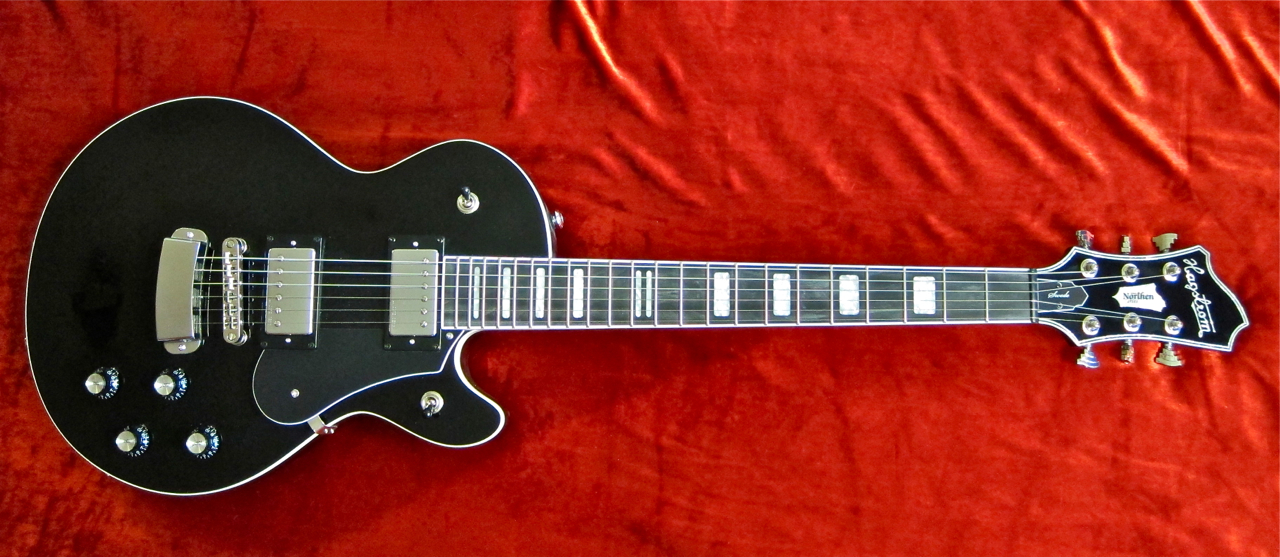

This time Kitarablogi.com takes a closer look at two Hagström models: The Viking Deluxe Baritone is a Far-Eastern-made baritone-guitar, made to please the friends of low riffage, while the brand-new Northen Swede is part of the company’s new high-end line, which is handmade in the Czech Republic.
****

The Hagström Viking Baritone (current street price in Finland approx. 600 €) is the newest addition to the Viking-line. This long-necked beauty features the same stylish curves and semi-acoustic body as the rest of the Vikings.

The Canadian hard rock maple neck is glued into the body, which is made from flame maple plywood.

Hagström’s headstock simply oozes 1950’s glitzy panache, with its ultraclean binding and inlay work.
The top nut, on the other hand, is up to date, using self-lubricating, man-made Black Tusq.

Modern sealed Hagström-tuners keep things steady.

One of Hagström’s special features is their Resinator-fingerboard. Resinator is…
View original post 1,005 more words
Review: LTD MH-330FR + ESP Horizon FR-II SD


****
ESP Guitars offer plenty of different guitar models for the modern Wunder-widdler. The most classic of these is probably the Horizon – a typical Superstr*t featuring two humbuckers and a Floyd Rose -bridge.
Kitarablogi.com selected two Horizons for this review:

The LTD MH-330FR, which comes with two active ESP-pickups…

…as well as the pukka ESP Horizon FR-II SD equipped with a pair of Seymour Duncans.
****

The LTD MH-330FR (current price in Finland:489 €) is a sleek and stylish piece of work, with the Electric Blue finish adding its own bit of panache.

The same cool finish is also applied to the maple neck and the back of the mahogany body.

All of the MH-330FR’s hardware comes in black nickel, which shines in a smoky, dark-greyish way.

The capsuled Gotoh-style tuners are of decent quality. A volute strengthens the area underneath the top nut to…
View original post 906 more words
Review: ESP Eclipse II FM FT Distressed

****

A pre-aged guitar – to some people it’s the daftest idea ever, while others think relicing imbues the instrument with its own type of charm.
But one thing is clear: artificial ageing is here to stay!
This time we will take a new-old ESP for a spin – the Eclipse II FM FT Distressed.
****

The ESP Eclipse II Distressed (current price in Finland: 1.889 €) is a Japanese quality instrument treated to look and feel like a 50-year-plus veteran of the stage and studio.
The rather realistic impression is achieved not only by dings, dents and scratches, but also by using a laqcuer that looks old and sunken in.

The flip side of the Eclipse II Distressed’s body has also received lots of scratches and a bout of artificial belt buckle rash. The neck, though, has been left fairly clean.
The mahogany looks scrumptious, and the finish does its…
View original post 503 more words
Review: ESP Eclipse-I CTM

****
ESP‘s Eclipse is one of the company’s most successful models, because it fuses effortlessly a classic outline with modern features.
The ESP Eclipse is available in many different variations, of which the ESP Eclipse-I CTM (current price in Finland: 1.668 €) is the series’ equivalent to the venerable Gibson Les Paul Custom.
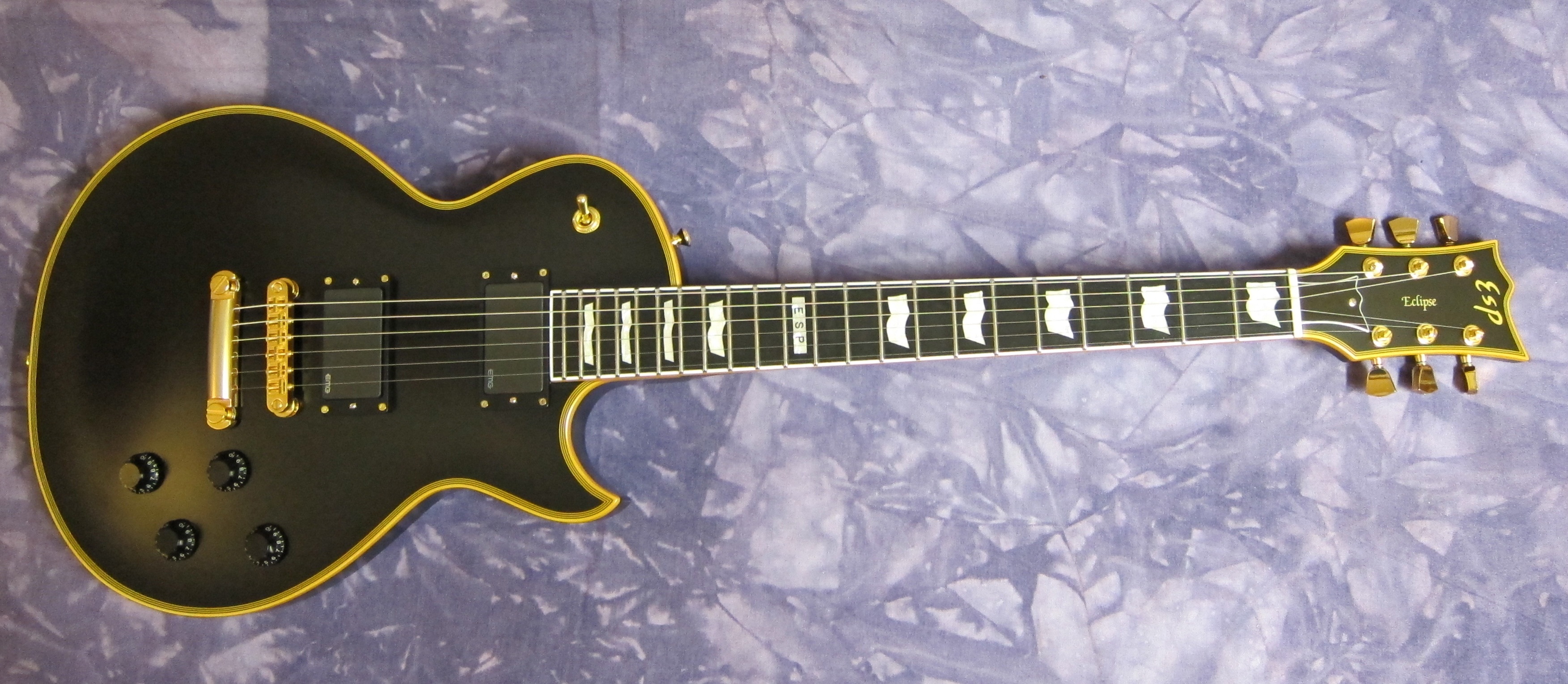
A matte-black finish with a yellow-ish overcoat, multi-laminated binding, gold-coloured hardware, an ebony fretboard with large pearloid inlays, as well as a pair of EMG-pickups endow the Eclipse-I CTM with an extremely stylish look. This Japanese guitar is sold in its own high-quality case.

Sound-fetishists will be more than happy about the ESP’s genuine bone nut, as well as the vintage-style truss rod. This type of truss rod requires a much narrower rout compared to many modern designs, and removing less of the neck’s mahogany will most likely result in a fuller-bodied tone and stronger attack.
View original post 494 more words
Review: Egnater Tweaker-112 -combo

****
“Egnater Tweaker-112 – The Valves Strike Back!” – If Kitarablogi were a tabloid, the headline would read something like this, because this is what Bruce Egnater’s new combo is all about: The Tweaker is designed to give the guitarist something akin to the extreme versatility of digital modelling amps or software in a genuine all-valve package.
****

The compact Tweaker-112 (current price in Finland: 656,44 €) is a 15-Watts valve combo, equipped with a single 12-inch Celestion G12H-30 Vintage -speaker. The design comes from the USA, but the amp is built in China to reassuringly high quality standards.
The front grille is an Orange-style weave, with the cabinet finished in black, textured vinyl.

The cabinet’s back is almost completely closed, which helps with achieving stack-type tonalities using a compact combo.

One of Celestion’s most well-known speakers…


All the Tweaker’s connectors have been placed vertically above the back’s opening…
View original post 512 more words
Review: EBS Classic Session 30

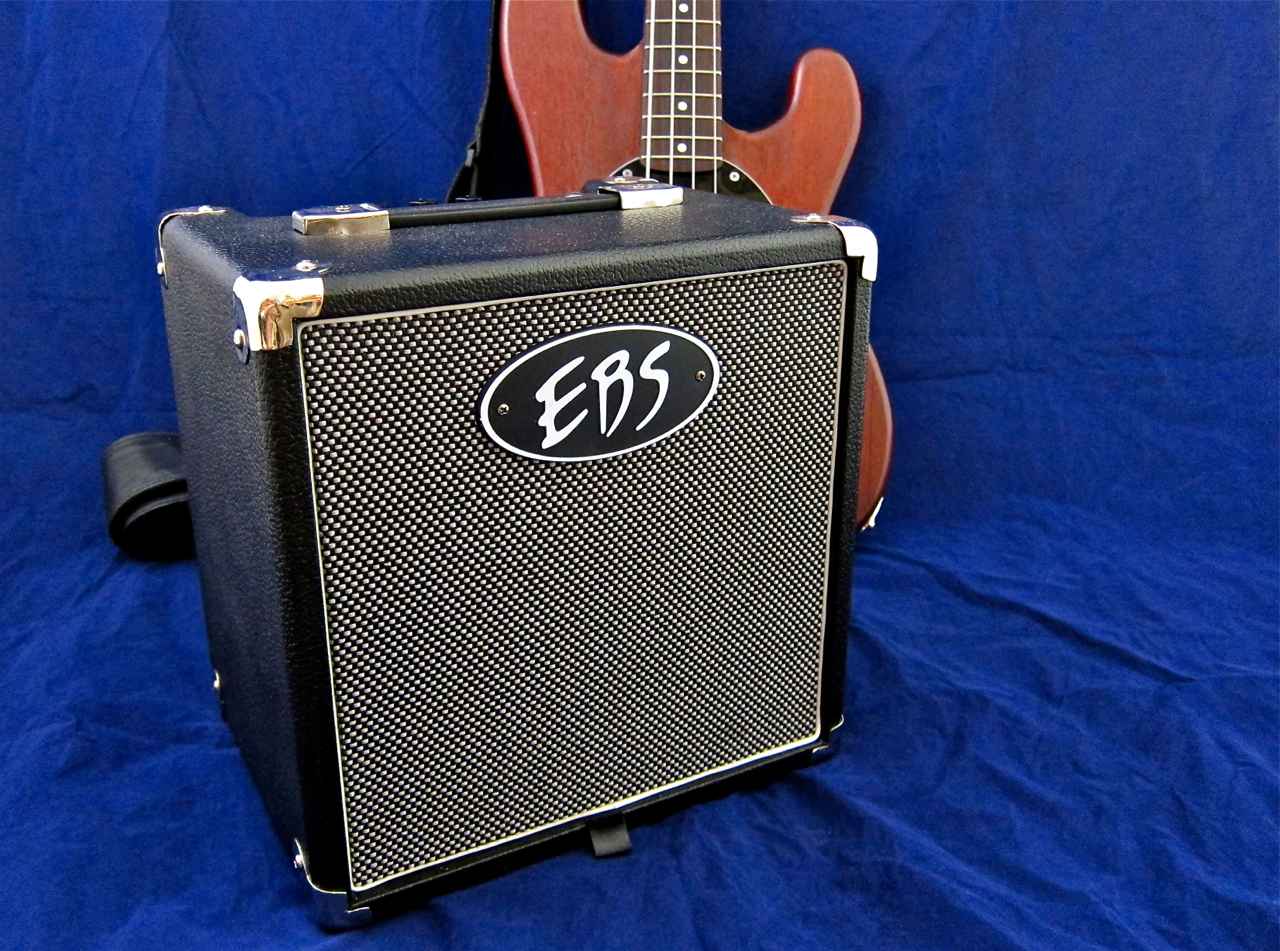
EBS Sweden’s latest product – the Session 30 – is the company’s smallest bass combo to date, and meant for practicing, recording and home use.
****

The diminutive and lightweight EBS Classic Session 30 (current price in Finland approx. 169 €) is part of EBS’ Made-in-China Classic-series.
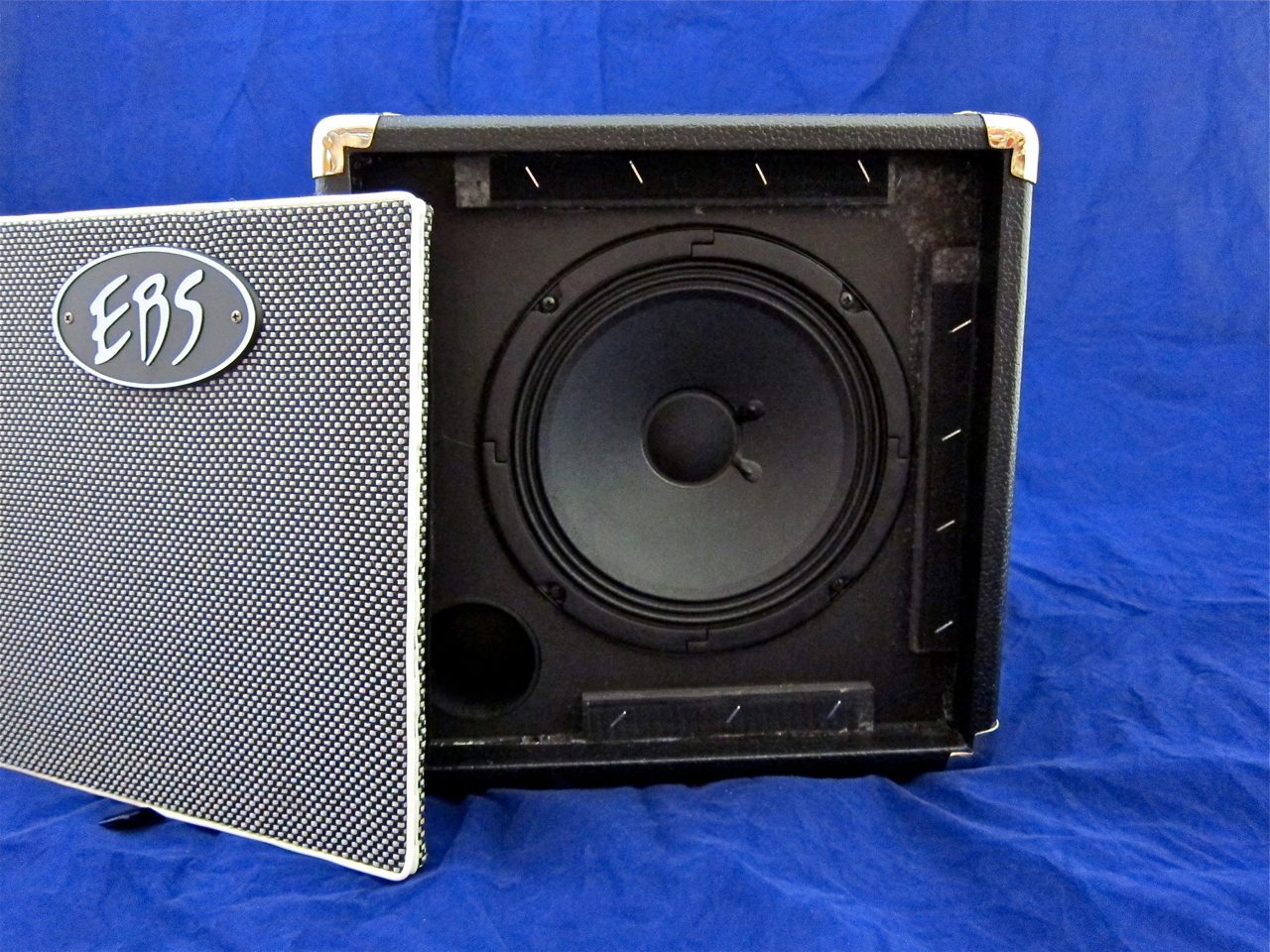
As its name suggests, the Session 30 offers 30 Watts of rms-power.
Its eight-inch speaker sits in a front-ported baffle. The stylish grille cloth is attached in a traditional way using velcro.
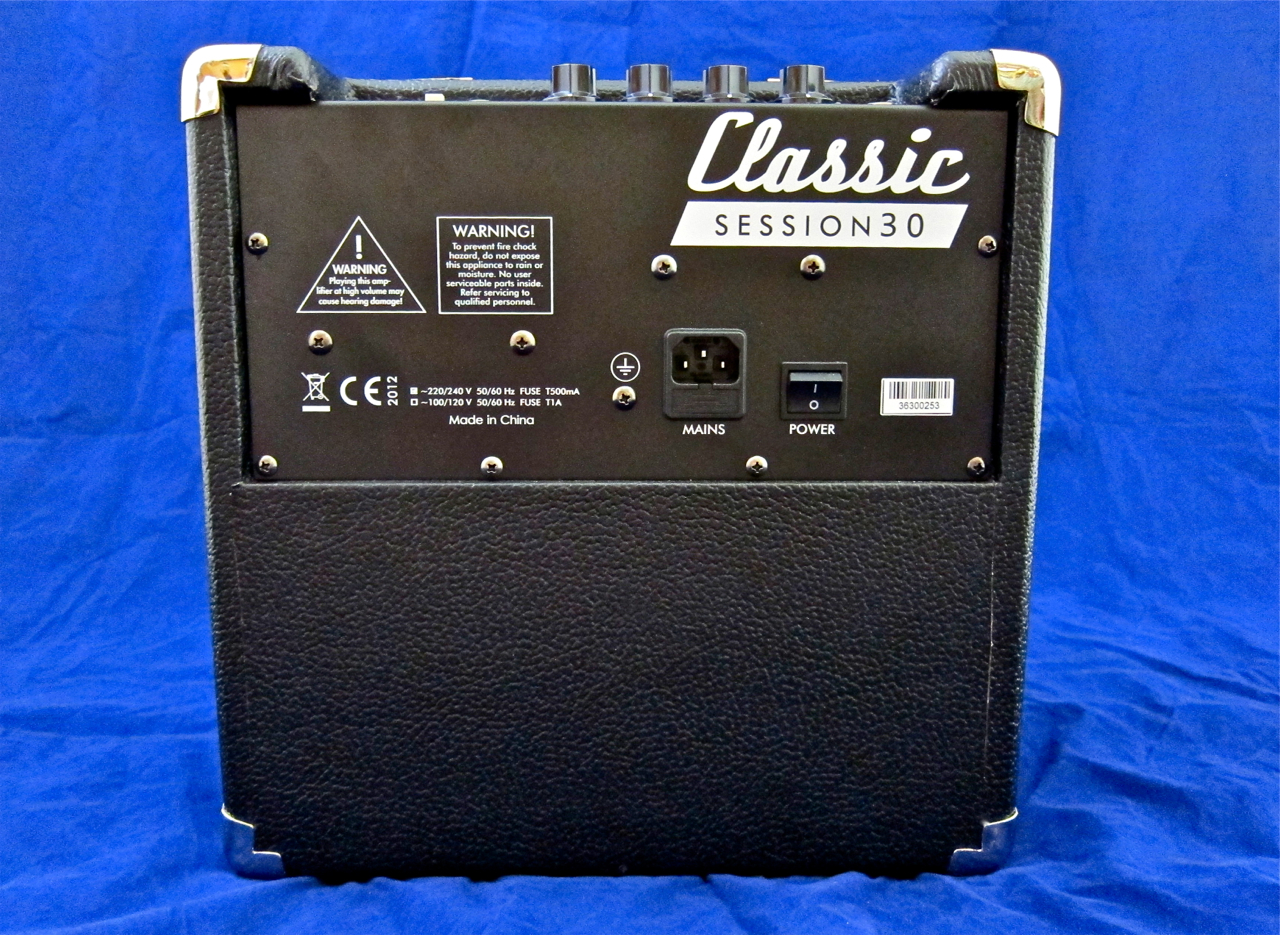
The combo’s back is fully closed. EBS have added a separate grounding point next to the power connector, which may come in handy in the studio for combatting mains hum.

The Session 30 weighs just under nine kilos, so it is very easy to carry around by its top handle.

The control panel comprises of four control knobs – with a peak indicator next to the gain control.
For practicing…
View original post 284 more words
Review: EBS Reidmar + CL112
****
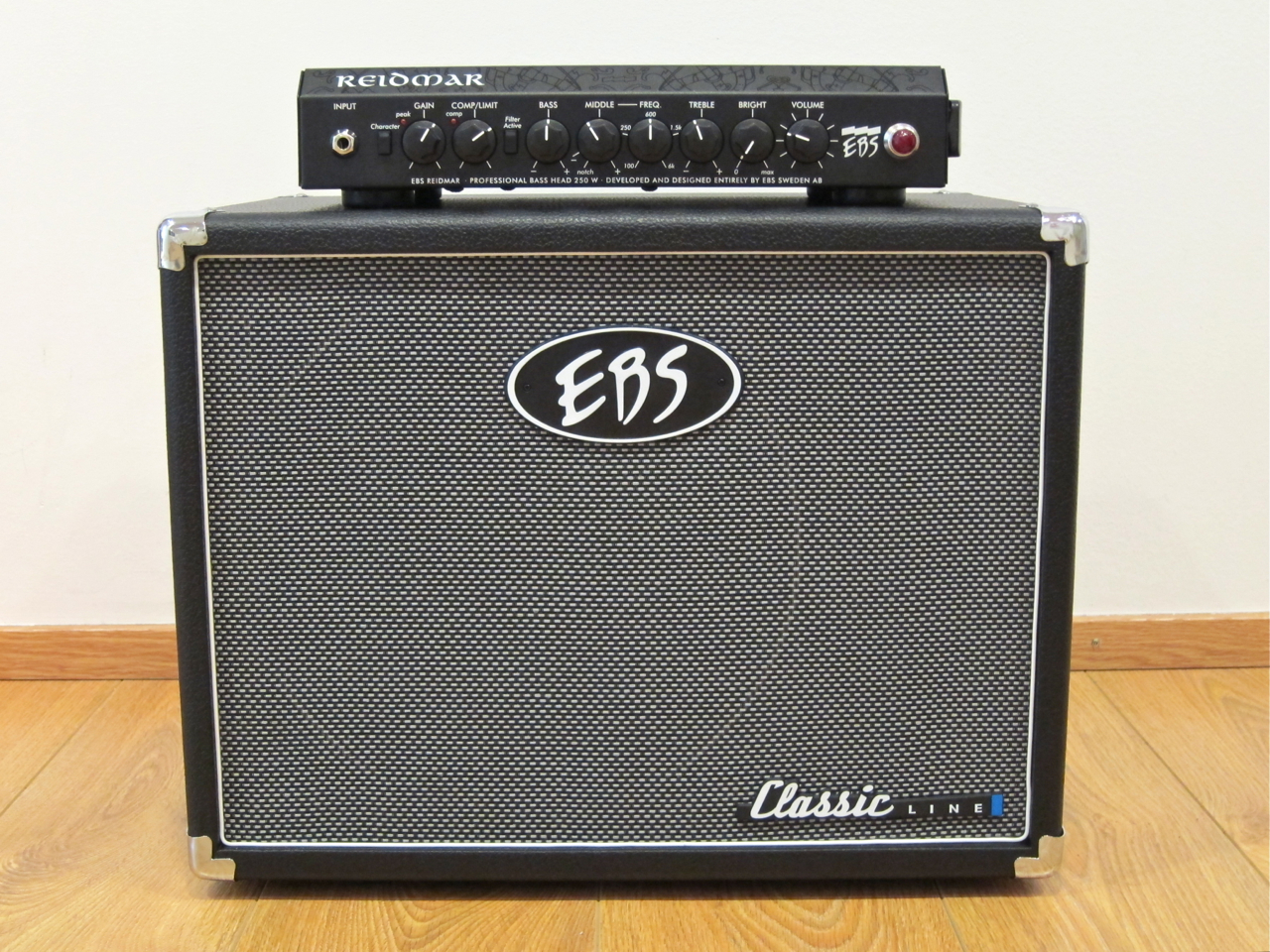
One of the new products at the EBS-stand in Frankfurt this year was a compact-yet-powerful bass amp called Reidmar. Kitarablogi.com managed to get hold of a Reidmar RD250, as well as a Classic Line -series CL112-cabinet for this review.
****

Both the Reidmar-head, as well as the Classic Line -series of cabinets have been designed and engineered in Sweden, but are being produced cost-effectively in China.
The EBS Reidmar (current street price in Finland: 469 €) runs a Class D power amp with 250 Watts of output at 4 Ohms. Because Class D amps run extremely energy-efficiently, there’s no need for large and heavy cooling ribs, which is why such amps can be much more compact than a traditional amplifier of the same power rating. EBS’s Reidmar weighs in at a mere 3.2 kilos, and fits easily into a compact backpack.
The good guys at…
View original post 688 more words
Review: Duesenberg Dragster + Starplayer TV Outlaw


Duesenberg Guitars is a German guitar company, who are known for their classy instruments and their ingenious improvements in many of the finer details of electric guitars and basses.
The company’s founder and creative mastermind is Dieter Gölsdorf – a true legend in his lifetime – who has been a tireless innovator in this field since the Seventies.
After a break of a few years Duesenbergs are available here in Finland again, which is a good reason to take a closer look at two of their most intriguing designs…
****
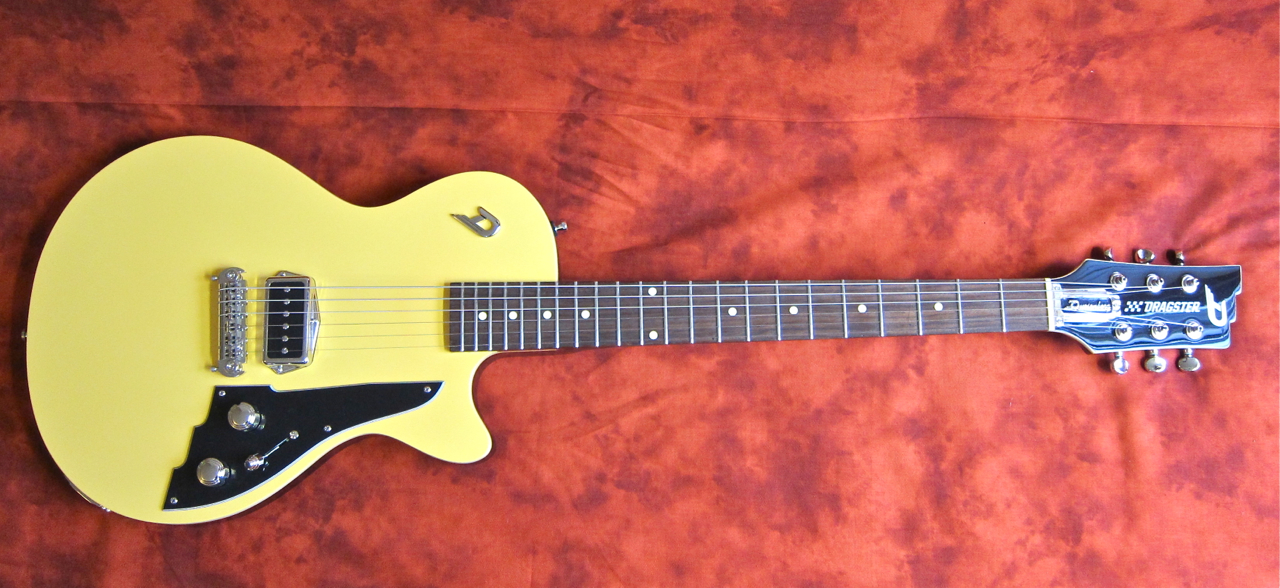
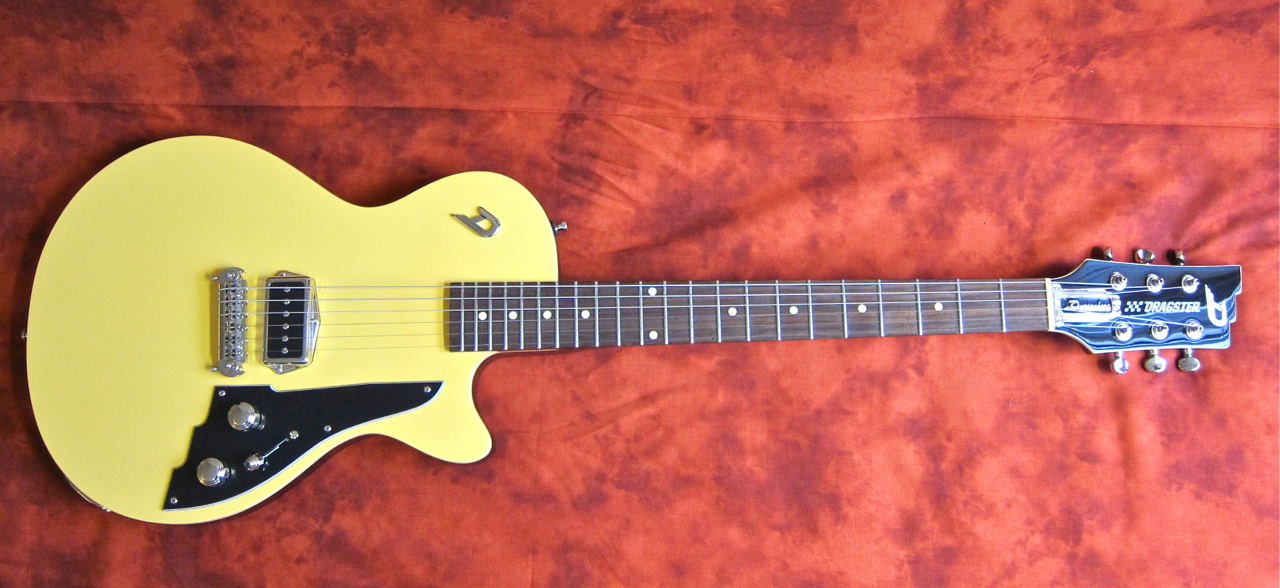
The flat-top Duesenberg Dragster (current street price in Finland 1,099 €) channels some of a Les Paul Junior’s spirit in supercharged form – there’s plenty of mahogany, a single pickup, a wraparound bridge and electronics with a nice little twist.

The one-piece mahogany neck is glued into the guitar’s mahogany body.

The Dragster’s headstock successfully melds Art Deco…
View original post 1,068 more words
Review: Yamaha P-105
****

The brand-new Yamaha P-105 is an affordable, lightweight digital piano, ideal for home use and stress-free gigging.

Yamaha’s P-105 (current street price in Finland around 660 €) is offered in black (P-105B), as well as in a pearl white finish (P-105WH).
The P-105 is equipped with a Yamaha Graded Hammer keyboard, which offers a feel similar to an acoustic piano: The bass keys put up slightly more resistance than the treble keys.

Thanks to its plastic chassis the Yamaha weighs in at a mere 12 kilos, and it fits easily on your standard X-type keyboard stand. For home use you can also purchase the wooden LH85-stand and the three-pedal LP5A -pedal unit.

In addition to its quality keyboard the Yamaha P-105 also trumps with a full-bodied two-way speaker system offering 14 Watts of power (2 x 7 W).

The Yamaha P-105 is feature-packed, yet easy to use.

Next to the Volume-fader you’ll find the buttons for the built-in metronome, as well as Yamaha’s Pianist-function and the keyboard split.
In addition to a traditional metronome click, the P-105 also offers ten different drum patterns from Beat to Samba and Waltz.
The Pianist-function is a practicing tool – akin to a cross between an arpeggiator and auto-accompaniment – which changes held left-hand chords into different accompaniment styles. This allows you to focus your practicing first on the right hand only, while simply holding down the correct chords with your left hand. The Pianist-function offers ten different accompaniment styles from classical to Pop and Latin.
The Tempo-buttons on the P-105 also function as keyboard split selectors for assigning different sounds to the left and right half of the keyboard, respectively.
Layering two sounds is also extremely easy on the Yamaha: You select the first sound just as you would when switching to a different sound. Then, while holding down the first sound’s selection button, you choose the second sound you want to layer on top of the first one.
The Yamaha P-105 is also equipped with a very basic recording and playback section.

The sounds available from the Yamaha P-105 cover all the usual bases. There are 14 tones on offer, starting with acoustic and electric pianos, and ending with strings and bass-sounds.

Apart from the two headphone outputs on the front panel, all of the connectors can be found on the P-105′s recessed back panel.
In addition to a simple sustain pedal jack there’s also the special connector for Yamaha’s three-pedal LP5A-unit. This digital piano also offers a line level stereo output, as well as a USB-port for use as a master keyboard in conjunction with your sequencer software.

The P-105′s PSU (and especially its thin lead) isn’t the most gig-worthy I’ve ever seen. The included sustain pedal is a very nice touch, mind.
****

In my opinion two points are essential, when it comes to the quality of a digital piano – you look for an authentic piano touch, as well as quality sounds (especially with regard to the grand piano tones). All other features are like the icing on a cake – nice to have, but they won’t make or break the instrument.
When it comes to its keyboard Yamaha’s P-105 is a sure-fire winner: Yes, it is true, the feel and touch of its keyboard (naturally) isn’t on a par with Yamaha’s most expensive digital pianos, but I feel that the P-105′s touch and response is one of the best (if not thebest) in its price range. The keys feel and respond quite naturally, and the mechanical noise the keyboard makes in use is refreshingly quiet and unobtrusive.
The most exciting news, though, are the P-105′s superb grand piano sounds, which put this affordable digital piano in a class of its own. Grand Piano 1 offers the tone of a very well recorded Yamaha CFIIIS -grand. The natural nuances and the wide dynamic range on offer are a testament to Yamaha’s expertise in this field.
Grand Piano 2 is a slightly more aggressive and brighter affair, made to cut through Pop and Rock arrangements.
I had the feeling that I could make out a very slight fluctuation in pitch during the attack phase, when hitting the “g” and “a” below the “middle C” very hard. But it also may have been some strange sort of psycho-acoustic gremlin in my head.
There’s still more quality on offer in the Yamaha P-105′s electric piano section, which offers four different tones from vintage all the way to DX7-type sounds.
The Yamaha’s other sounds are also in great form. I especially liked the pipe organ, the harpsichord and the strings.
Here are two examples of the Pianist-function and the drum patterns on offers. As with all the other soundbites, these too have been recorded straight from the line output to my sequencer with all the EQ and reverb coming solely from the P-105.

In my opinion, the Yamaha P-105 is a fantastic choice if you’re shopping for a lightweight and affordable digital piano, as it offers both a natural-feeling keyboard and quality tones. This digital piano is ideal for the hobby pianist, as well as for the gigging keyboarder, who has to transport his (or her) own equipment.
****
Yamaha P-105WH
Current price in Finland approximately 660 €
Finnish distributor: F-Musiikki
****
Pros:
+ Graded Hammer -keyboard
+ grand piano sounds
+ variety of sounds
+ good speaker system
+ lightweight
+ value-for-money
Cons:
– PSU probably not gig-worthy
****

Review: Diamond Del Fuego
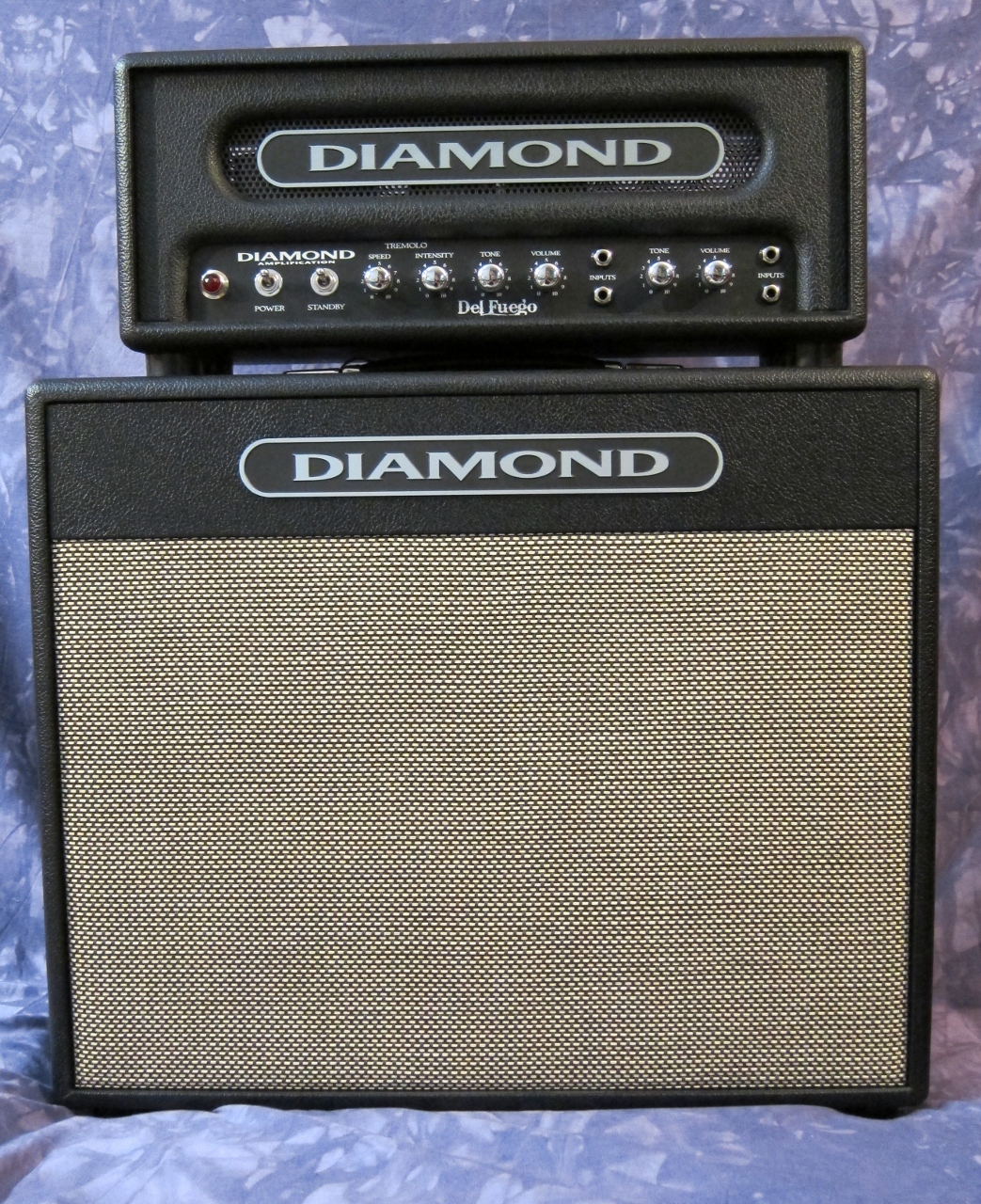

In Europe Jeff Diamant’s company Diamond Amplification is still a new name in the amp business.
Each Diamond amp and cabinet is hand-made from start to finish at Diamond’s factory in Houston, Texas.
Diamond amps are thoroughbred, hand-soldered valve amps, but this doesn’t mean that Jeff Diamant and his team are stuck in the past. The company’s products are modern amplifiers designed for maximum reliability.
In this video Premier Guitar goes on a factory tour:
****

Kitarablogi.com tested a Diamond Del Fuego -head (current price in Finland: 1.750 €) and a matching Open Back 1×12 -cabinet (current price in Finland: 650 €).

The Del Fuego is a 22-Watts class A amplifier with a vintage two-channel layout. “Vintage” means there are two channels – one with tremolo (Ch 2) and one without (Ch 1) – but you cannot switch between channels on-the fly, unless you use a separate A/B-box…
View original post 567 more words
 Gear Review Finland